📌 Introduction
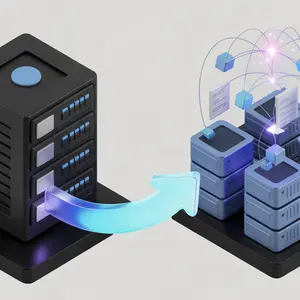
For decades, enterprise software has been the backbone of business operations—ERP, CRM, HRM, and supply chain systems that record transactions, manage workflows, and store data. But a fundamental shift is underway. These systems of record are evolving into systems of intelligence, powered by artificial intelligence (AI). The future of enterprise software is not just about digitizing processes; it's about embedding intelligence into the core of how businesses operate, decide, and innovate.
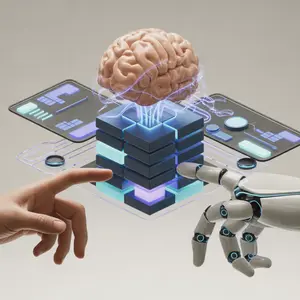
Yet many organizations still view AI as a bolt-on—a chatbot here, a predictive model there—rather than a core capability of their enterprise platforms. This piecemeal approach leads to fragmented data, siloed insights, and disappointing ROI. The real transformation happens when intelligence is woven into the fabric of enterprise software, enabling systems to learn, adapt, and act autonomously.
In this article, we'll explore why intelligent enterprise software is becoming essential, what it looks like in practice, how to implement it successfully, and the common mistakes to avoid. Whether you're a CIO, business leader, or IT manager, you'll gain a practical roadmap for navigating this shift and leveraging business AI solutions to drive competitive advantage.
📌 The Shift from Systems of Record to Systems of Intelligence
Traditional enterprise software excels at capturing and storing data—every order, invoice, and customer interaction. But it's largely passive: it records what happened, not what should happen next. Intelligent enterprise software changes that by applying AI to turn data into actionable insights and automated actions. For example, an AI-powered ERP can predict inventory shortages before they occur, automatically trigger replenishment orders, and optimize pricing in real time based on demand fluctuations.
This shift is driven by three forces: the explosion of data, advances in AI algorithms, and the need for agility in a fast-changing business environment. Companies that rely solely on systems of record are drowning in data but starving for insight. Intelligent systems filter the noise, surface patterns, and recommend or execute decisions—freeing humans to focus on higher-value work.
Consider a mid-sized manufacturer using a legacy ERP. Monthly production planning is a manual, spreadsheet-driven process prone to errors. By integrating AI solutions into the ERP, the manufacturer can forecast demand with machine learning, optimize production schedules, and automatically adjust for supply chain disruptions. The result: 20% reduction in inventory costs and 15% improvement in on-time delivery. This is the promise of intelligent enterprise software—not just efficiency, but resilience and foresight.
📌 How AI Is Reshaping Enterprise Software
AI is not a single feature; it's a spectrum of capabilities that can be embedded across enterprise applications. Here are the key ways AI is transforming enterprise software:
1. Predictive Analytics and Forecasting
AI models analyze historical data to predict future outcomes—sales, demand, equipment failures, or customer churn. For instance, a CRM with built-in predictive analytics can score leads based on their likelihood to convert, allowing sales teams to prioritize high-value prospects. Similarly, HR systems can predict employee turnover and suggest retention strategies.
2. Intelligent Automation and Workflow Optimization
Robotic process automation (RPA) handles repetitive tasks, but AI takes it further by learning from exceptions and improving over time. Intelligent workflow engines can route approvals, detect anomalies, and even negotiate contracts within predefined parameters. For example, an AI-powered procurement system can automatically compare supplier bids, flag risks, and recommend the best offer—reducing cycle times by 40%.
3. Natural Language Processing (NLP) and Conversational Interfaces
NLP enables users to interact with enterprise software using natural language—via chatbots, voice commands, or text queries. Instead of navigating complex menus, a finance manager can ask, "What were the top 5 expenses last quarter?" and get an instant answer. This democratizes data access and reduces training time.
4. Personalization and Recommendation Engines
AI tailors the user experience by recommending actions, content, or products. In e-commerce, recommendation engines drive 35% of revenue for giants like Amazon. In enterprise software, personalized dashboards and alerts help users focus on what matters most, improving productivity and decision quality.
5. Anomaly Detection and Risk Management
AI continuously monitors transactions and processes to detect fraud, compliance breaches, or operational risks. For example, an AI-enhanced financial system can flag unusual expense reports or payment patterns in real time, preventing losses before they escalate.
These capabilities are not futuristic—they are available today in modern enterprise platforms. The key is to integrate them cohesively rather than as isolated point solutions.
📌 The Business Case for Intelligent Enterprise Software
Adopting intelligent enterprise software is not just a technology upgrade; it's a strategic imperative. Here's why:
- Competitive Advantage: Companies that leverage AI in their core processes can respond faster to market changes, personalize offerings, and optimize costs—outpacing rivals that rely on manual or legacy systems.
- Operational Efficiency: AI automates routine tasks, reduces errors, and frees employees for creative and strategic work. A study by McKinsey found that AI can automate up to 45% of repetitive tasks in some industries.
- Data-Driven Decision Making: Intelligent systems provide real-time insights and recommendations, enabling leaders to make informed decisions quickly. This is especially critical in volatile markets.
- Enhanced Customer Experience: AI-powered CRM and service platforms anticipate customer needs, personalize interactions, and resolve issues proactively—boosting satisfaction and loyalty.
- Scalability and Adaptability: AI models can scale across the enterprise and adapt to new data, ensuring the software grows with the business.
For example, a global logistics company integrated AI into its supply chain platform to predict shipping delays and reroute shipments automatically. This reduced late deliveries by 30% and saved millions in penalties. The ROI of intelligent enterprise software is tangible and measurable.
📌 Implementing Intelligent Enterprise Software: A Step-by-Step Guide
Transitioning to intelligent enterprise software requires a structured approach. Follow these steps to maximize success:
Step 1: Assess Your Current Landscape and Define Objectives
Start by mapping your existing enterprise applications, data sources, and pain points. Identify where AI can deliver the most value—whether it's forecasting, automation, or customer insights. Set clear, measurable objectives (e.g., reduce inventory costs by 15% within 12 months).
Step 2: Build a Data Foundation
AI thrives on clean, integrated data. Ensure your data architecture supports quality, governance, and accessibility. This may involve data cleansing, establishing a data lake, and implementing master data management. Without a solid data foundation, AI initiatives will falter.
Step 3: Choose the Right Platform and Partners
Select enterprise software that has AI capabilities built-in or offers robust integration with AI services. Consider vendors like Niravin that provide AI solutions tailored to business needs. Evaluate factors like scalability, security, and ease of integration with existing systems.
Step 4: Start with Pilot Projects
Don't attempt a big-bang transformation. Start with a pilot in a high-impact area, such as demand forecasting or invoice processing. Use the pilot to demonstrate value, learn, and refine your approach before scaling.
Step 5: Foster a Data-Driven Culture and Upskilling
AI adoption is as much about people as technology. Train employees to work alongside AI, interpret insights, and embrace new workflows. Encourage experimentation and celebrate quick wins to build momentum.
Step 6: Scale and Integrate
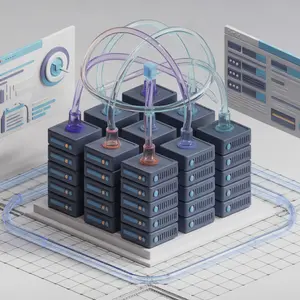
Once the pilot proves successful, scale AI across other functions. Integrate AI capabilities into core enterprise systems to create a seamless intelligent fabric. Continuously monitor performance and iterate based on feedback.
Step 7: Govern and Evolve
Establish governance frameworks for AI ethics, data privacy, and model monitoring. AI models can drift over time, so regular retraining and updates are essential. Stay agile and adapt to new AI advancements.
By following these steps, organizations can transition smoothly to intelligent enterprise software and unlock its full potential.
📌 Common Mistakes to Avoid
While the benefits are clear, many AI initiatives fail due to avoidable pitfalls. Watch out for these:
- Treating AI as a Bolt-On: Integrating AI as an afterthought leads to fragmented data and poor user experience. Instead, embed AI into the core of enterprise software from the start.
- Neglecting Data Quality: AI models are only as good as the data they're trained on. Skipping data cleansing and governance will result in inaccurate predictions and mistrust.
- Lack of Clear Use Cases: Implementing AI without a specific business problem leads to wasted resources. Focus on high-value use cases with measurable outcomes.
- Ignoring Change Management: Employees may resist AI if they fear job loss or don't understand its benefits. Invest in communication, training, and involving users in the design process.
- Underestimating Security and Compliance: AI introduces new risks, such as data breaches or biased algorithms. Implement robust security measures and ensure compliance with regulations like GDPR.
Avoiding these mistakes can mean the difference between a transformative AI initiative and an expensive failure.
📌 Conclusion
The future of enterprise software is undeniably intelligent. As AI continues to advance, the gap between intelligent and traditional systems will widen, making it imperative for businesses to adapt. By embedding AI into core enterprise platforms, organizations can unlock unprecedented efficiency, insight, and agility. The journey requires careful planning, a solid data foundation, and a culture that embraces change—but the rewards are substantial.
Your next step: conduct an AI readiness assessment for your enterprise software stack. Identify one high-impact pilot project and start small. With the right approach and partners like Niravin, you can position your organization at the forefront of the intelligent enterprise revolution.
❓ Frequently Asked Questions
What is intelligent enterprise software?
Intelligent enterprise software refers to business applications that embed artificial intelligence—such as machine learning, natural language processing, and predictive analytics—to automate processes, generate insights, and support decision-making. It goes beyond traditional systems of record by actively learning and adapting.
How does AI improve enterprise software?
AI enhances enterprise software by enabling predictive analytics, intelligent automation, personalized recommendations, and anomaly detection. This leads to greater efficiency, better decision-making, and improved customer experiences. For example, AI can forecast demand, automate routine tasks, and flag risks in real time.
What are the key benefits of AI in enterprise software?
The key benefits include increased operational efficiency, data-driven decision-making, competitive advantage, enhanced customer experience, and scalability. AI helps businesses reduce costs, respond faster to market changes, and innovate more effectively.
How can I implement AI in my enterprise software?
Start by assessing your current systems and defining clear objectives. Build a strong data foundation, choose the right AI-enabled platform, and run pilot projects. Scale gradually, invest in change management, and establish governance for ongoing success. Partnering with experienced AI solution providers can accelerate the process.
What are common pitfalls to avoid when adopting intelligent enterprise software?
Common pitfalls include treating AI as a bolt-on, neglecting data quality, lacking clear use cases, ignoring change management, and underestimating security and compliance. Avoiding these requires a strategic, integrated approach with strong leadership and user involvement.
✅ Implementation Checklist
- Assess current enterprise software landscape and identify pain points.
- Define clear, measurable objectives for AI adoption.
- Ensure data quality and establish data governance.
- Select an AI-enabled enterprise platform or integration partner (e.g., Niravin).
- Start with a pilot project in a high-impact area.
- Train employees and foster a data-driven culture.
- Scale AI across functions and integrate with core systems.
- Implement AI governance, security, and compliance measures.
- Monitor performance and continuously improve models.
- Stay updated on AI advancements and adapt strategy accordingly.